
When Should You See a Dermatologist for Acne?
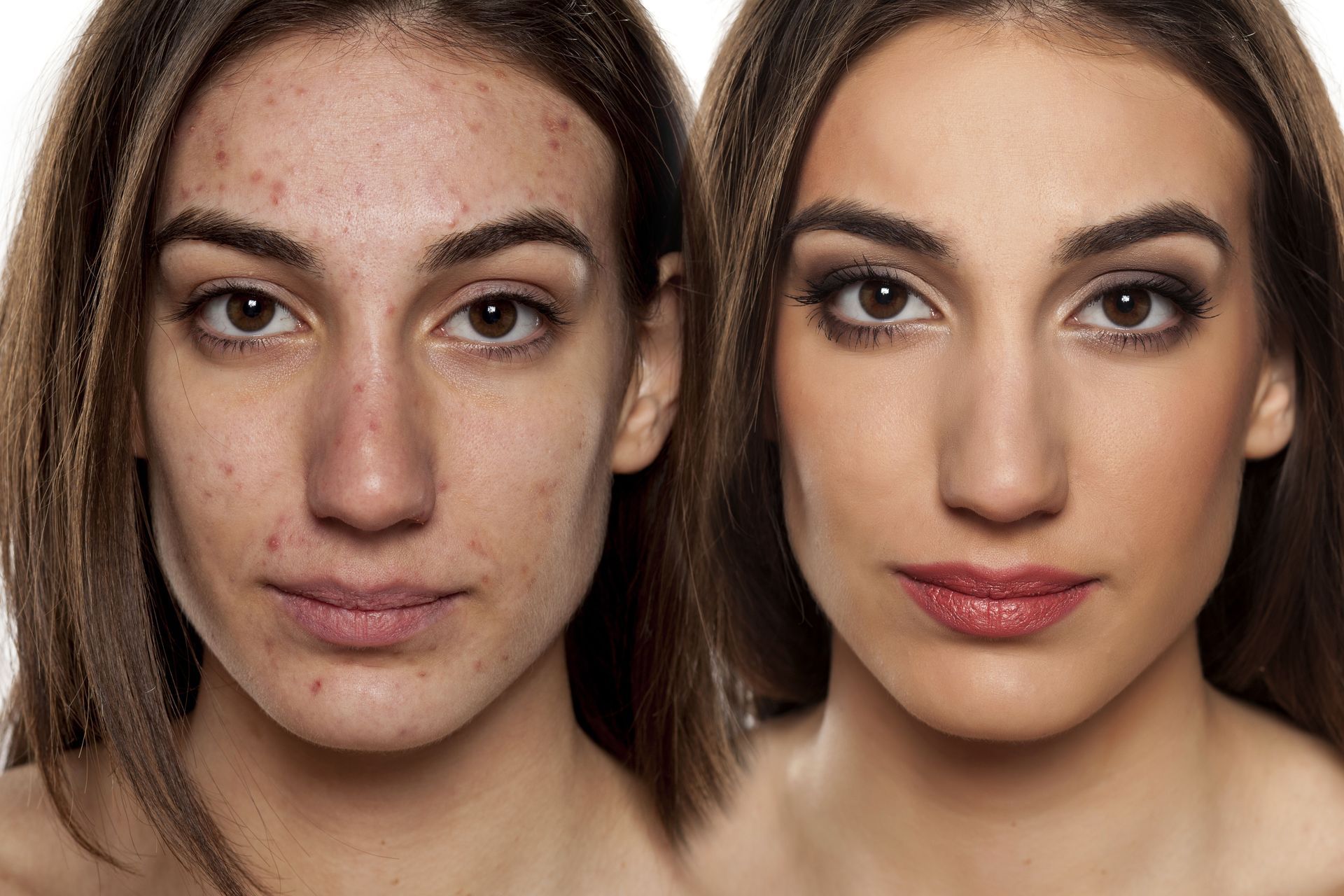
Acne is a common skin condition that can affect people at different stages of life. Although occasional breakouts may clear up with basic skincare and over-the-counter products, persistent or severe acne can require professional attention. Blemishes, clogged pores, inflammation, and deeper lesions may affect more than a person's appearance. In some cases, acne can cause discomfort, leave lasting scars, or contribute to emotional distress. Knowing when to seek medical guidance can help individuals avoid ineffective treatments and reduce the risk of long-term skin changes. A dermatologist can evaluate the type and severity of acne before recommending an appropriate treatment approach. Recognizing the signs that professional care may be needed is an important step toward managing breakouts and supporting healthier skin.
Recognizing Persistent or Repeated Breakouts
Occasional pimples do not necessarily indicate a serious skin concern, but frequent breakouts may deserve closer attention. Acne that continues for several weeks or repeatedly returns can be difficult to manage with basic skincare products alone. Some individuals experience blemishes across the forehead, cheeks, chin, chest, or back. These breakouts may occur even when someone follows a consistent cleansing routine and avoids products that irritate the skin. According to Medscape, acne affects an estimated 80% to 90% of people in the United States at some point during their lives. Although the condition is widespread, persistent symptoms should not automatically be dismissed as something that must simply be tolerated. A dermatologist can examine the affected areas and determine whether the breakouts are related to acne or another skin condition. Getting an evaluation can help individuals understand their symptoms and identify treatment options suited to their needs.
Addressing Deep or Painful Acne Lesions
Not all acne develops as small surface-level pimples. Some individuals experience deep, inflamed bumps beneath the skin that can feel tender or painful when touched. Nodules and cysts may develop when inflammation affects deeper portions of the hair follicle. These lesions can remain for extended periods and may increase the likelihood of permanent scarring. Squeezing or attempting to drain them at home can worsen inflammation and introduce additional irritation. Seeing a dermatologist is particularly important when breakouts involve persistent pain, swelling, or deep lesions. A medical professional can determine the severity of the condition and recommend treatments that address inflammation more effectively. Early attention may help reduce complications and prevent individuals from relying on aggressive home remedies.
Preventing Permanent Scarring and Skin Changes
Acne can sometimes leave marks that remain long after active breakouts have healed. These changes may include depressed scars, raised scars, or areas of discoloration. The likelihood of scarring can increase when acne is severe, inflamed, or repeatedly picked and squeezed. Some people may also notice dark spots that develop after blemishes disappear, particularly when inflammation affects the skin's pigment-producing cells. Professional care can help address active acne before additional lesions have an opportunity to form. A dermatologist can also distinguish between temporary discoloration and structural scarring, since these concerns may require different treatment approaches. Individuals who are already noticing lasting marks should consider scheduling an evaluation rather than waiting for the condition to worsen. Managing acne early can help limit further skin damage and support a more consistent complexion.
Seeking Help When Over-the-Counter Products Fail
Drugstore acne treatments can be helpful for mild breakouts, but they do not work equally well for everyone. Products containing ingredients such as benzoyl peroxide or salicylic acid may improve certain types of acne when used correctly. However, persistent breakouts may require prescription-strength medication or a different combination of treatments. Using several products at once can also irritate the skin, especially when active ingredients are too harsh or introduced too quickly. A dermatologist can review the products someone has already tried and determine whether adjustments are necessary. Professional guidance can also help establish a routine that avoids unnecessary irritation while targeting the underlying problem. Individuals who have followed an appropriate skincare routine without meaningful improvement should consider seeking medical advice. Continuing to purchase products without understanding why they are not working may delay more effective treatment.
Managing Acne That Affects Daily Confidence
The effects of acne are not limited to visible skin changes. Persistent breakouts can influence how individuals feel about their appearance and how comfortable they are in social or professional settings. Some people may avoid photographs, gatherings, or activities because they feel self-conscious about their skin. Others may become frustrated after trying numerous products without achieving the results they want. These experiences can create stress, particularly when acne continues despite consistent efforts to manage it. A dermatologist can discuss treatment options while helping patients develop realistic expectations about the time required for improvement. Professional care may also help individuals avoid harmful practices driven by frustration, such as excessive exfoliation or picking at blemishes. Addressing acne as a medical concern can support both skin health and overall well-being.
Evaluating Adult-Onset or Hormonal Breakouts
Acne is often associated with adolescence, but adults can experience breakouts as well. Hormonal fluctuations may contribute to blemishes around the chin, jawline, and lower face, although acne can appear in other areas. Some adults notice changes during periods of stress or at different stages of life. In certain cases, recurring acne may occur alongside other symptoms that require additional medical evaluation. A dermatologist can assess the pattern of breakouts and determine whether hormonal factors may be involved. Treatment recommendations may differ depending on a person's age, medical history, skin type, and other health considerations. Adults who develop sudden or persistent acne should not assume that the condition will resolve without attention. A professional assessment can help identify suitable options and determine whether further evaluation is appropriate.
Getting Guidance for Sensitive or Irritated Skin
People with sensitive skin may find acne treatment especially challenging. Some active ingredients can cause dryness, redness, peeling, or irritation when used too frequently or in concentrations that are not appropriate. These reactions can make it difficult to maintain a consistent skincare routine. Individuals with conditions such as eczema or rosacea may also need additional care when choosing acne products. A dermatologist can evaluate the skin's overall condition and recommend options that account for existing sensitivities. This may involve adjusting product strength, changing application frequency, or selecting treatments with different ingredients. Patients should explain any reactions they have experienced and bring information about the products they currently use. A personalized approach can help reduce unnecessary irritation while still addressing acne symptoms.
Exploring Treatment Options for Severe or Worsening Acne
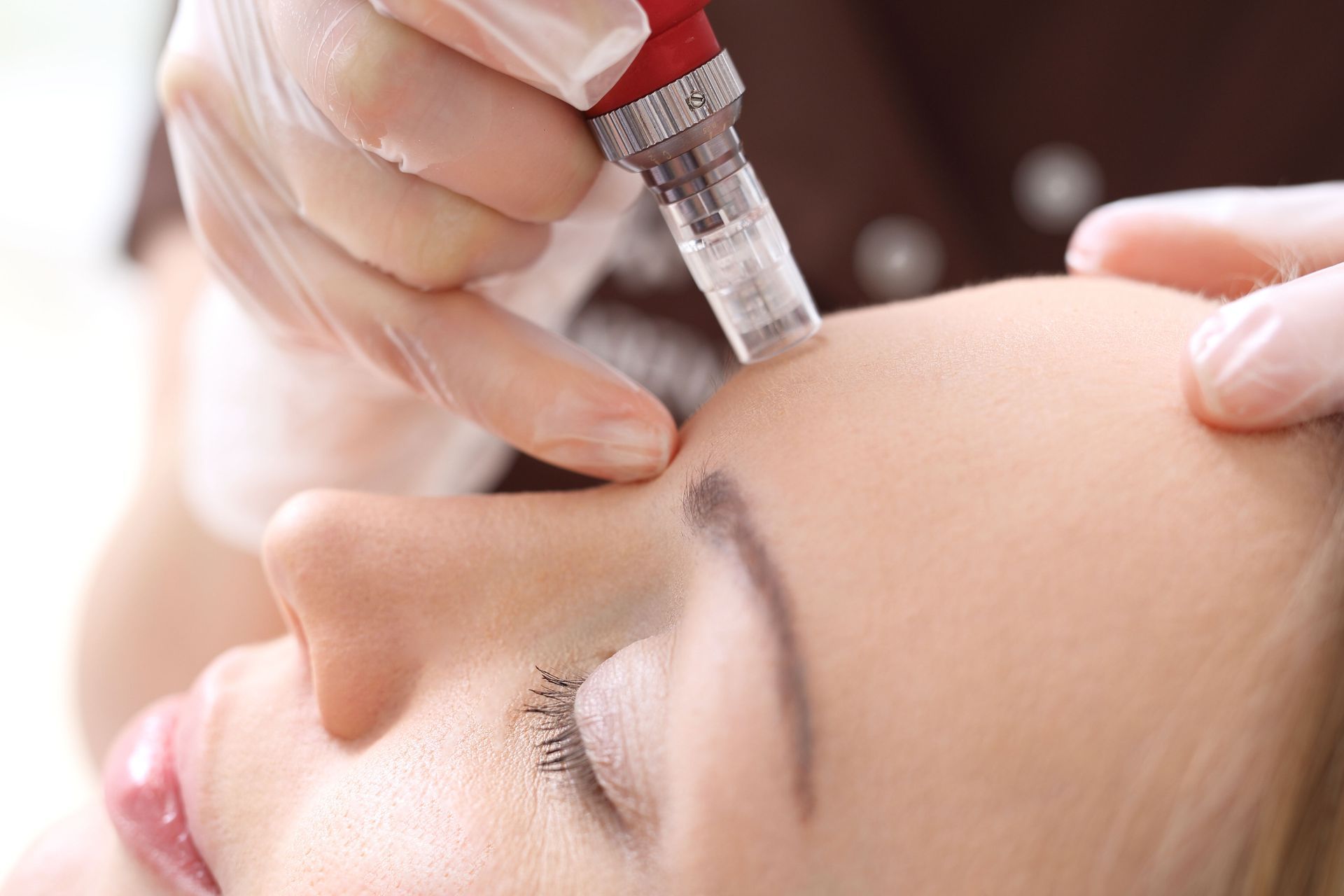
Acne that continues to spread, becomes increasingly inflamed, or fails to respond to routine care may require a more comprehensive treatment plan. Depending on the diagnosis, available options may include prescription topical medications, oral medications, hormonal treatments, or other professional procedures. The appropriate approach depends on the type of acne, its severity, and the individual's medical history. Some treatments require monitoring because they can cause side effects or involve specific precautions. A dermatologist can explain the benefits and limitations of recommended options and discuss how progress will be evaluated. Patients should follow treatment instructions and attend recommended follow-up appointments so adjustments can be made when necessary. Seeking professional care can be especially valuable when acne is worsening or interfering with everyday life. A structured treatment plan provides a clearer path toward managing the condition.
Acne can vary significantly from one person to another, which is why treatment should reflect the individual's symptoms and skin needs. Persistent breakouts, painful lesions, scarring, adult-onset acne, and irritation from over-the-counter products are all reasons to consider professional evaluation. Early attention can help individuals understand their condition and avoid approaches that may make symptoms worse. With an appropriate treatment plan and consistent follow-up, many people can achieve better control over their breakouts.
The Dermatology Clinic, P.A. can help individuals address acne concerns and explore appropriate dermatological care. Contact us to schedule an appointment and discuss treatment options for healthier-looking skin.



Share On: