Why Dermatologists Are the Best Option When It Comes to Acne Treatments
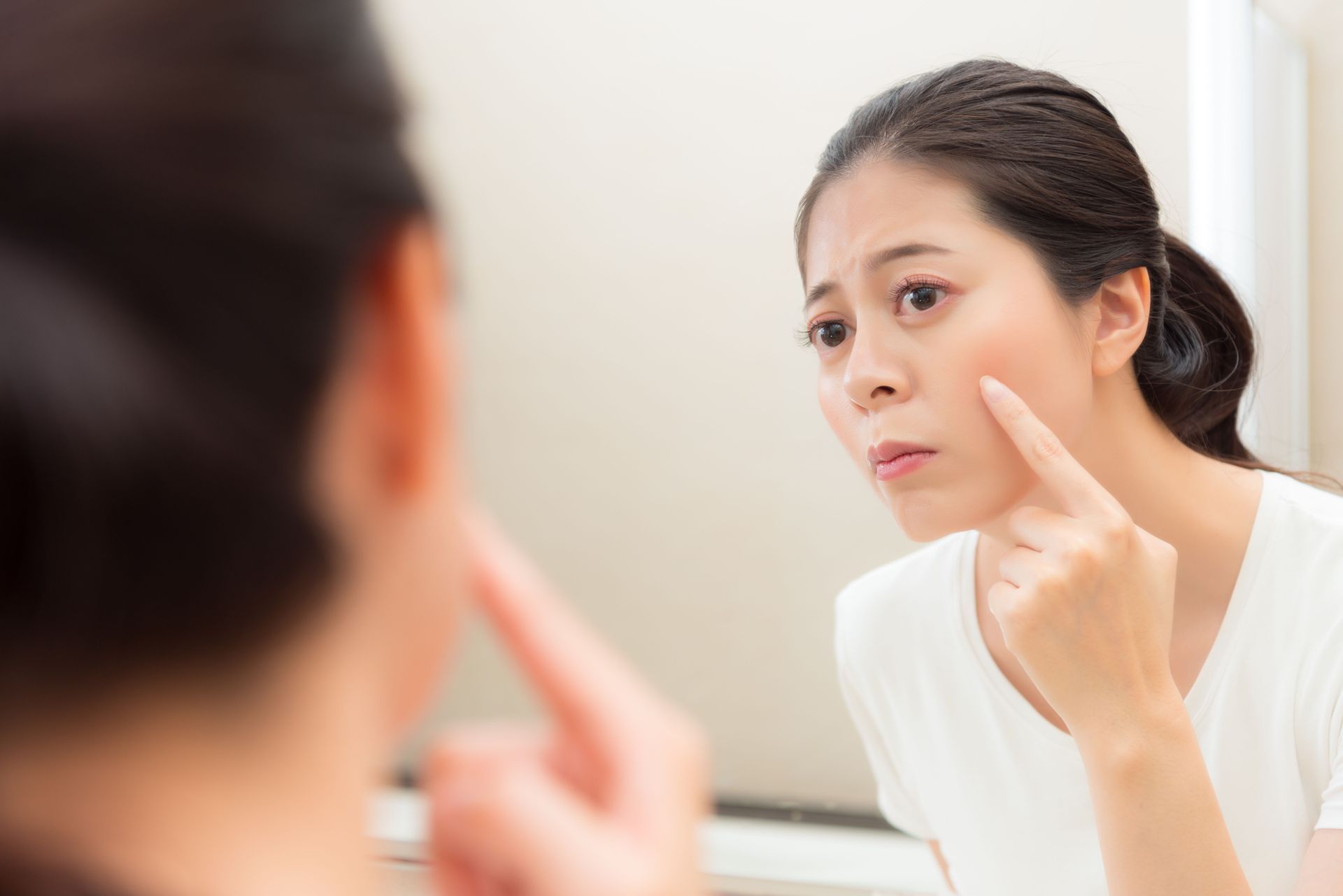
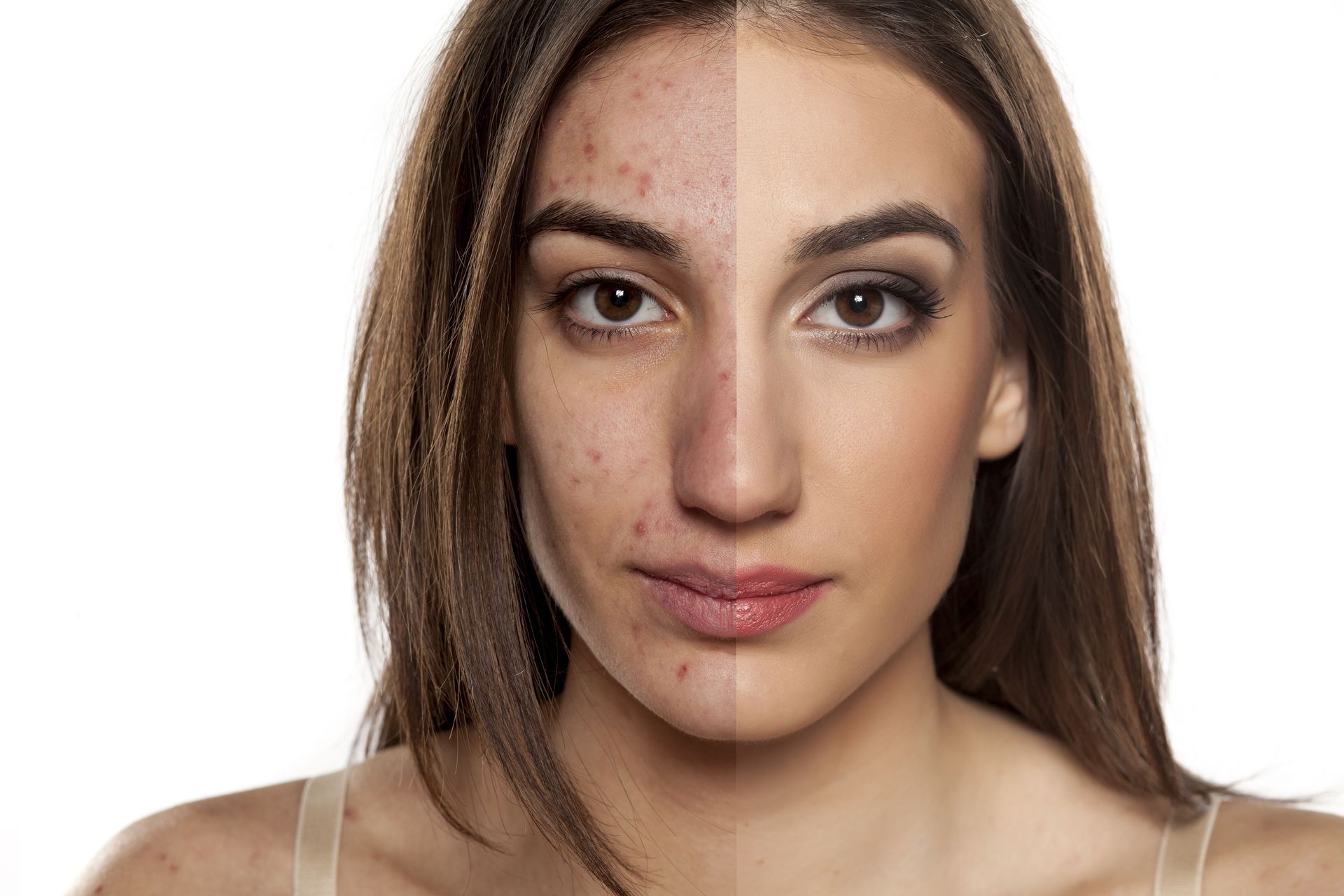
Acne is one of the most persistent and emotionally impactful skin conditions that people of all ages deal with, and the frustration of trying product after product without lasting results is one of the most common experiences dermatologists hear about from new patients. Over-the-counter options line pharmacy shelves with bold promises, but the reality is that effective skin care for this condition requires a level of clinical assessment and individualized care that no shelf product can replicate. The difference between generic solutions and professional dermatological care shows up in the results, and patients who finally make the appointment consistently describe it as the turning point they wished they had reached much sooner. Understanding why dermatologists are uniquely equipped to address this condition helps anyone struggling with persistent breakouts make a more informed decision about where to turn for real and lasting relief.
Addressing One of the Most Widespread Skin Conditions in the Country
According to the American Academy of Dermatology Association, acne affects up to 50 million Americans annually, making it the most prevalent skin condition in the country — a scale of impact that reflects how many people deserve access to professional treatments rather than indefinite trial and error with commercial products. A dermatologist approaches this condition not as a cosmetic inconvenience but as a medical condition with specific physiological causes that respond to targeted clinical interventions in ways that consumer products are simply not formulated or regulated to deliver. The prevalence of the condition also means that board-certified dermatologists have developed extensive clinical experience managing a wide spectrum of severities, presentations, and skin types, which translates into more precise and more personalized care for every patient who comes through the door seeking real relief.
Getting a Proper Diagnosis Before Any Treatment Begins
Not all breakouts are the same condition, and distinguishing between comedonal acne, inflammatory acne, cystic presentations, and skin conditions that mimic acne requires the kind of clinical training and diagnostic skill that a dermatologist brings to every evaluation. Effective acne treatments begin with understanding exactly what is driving the individual patient's breakouts, which requires a comprehensive assessment of the skin's current condition, the patient's health history, hormonal factors, and any products or medications that may be contributing to or worsening the presentation. A diagnosis made by a board-certified dermatologist gives the treatment plan a clinical foundation that consumer product selection and online self-diagnosis cannot provide, which is exactly why patients who start with professional evaluation consistently see better outcomes than those who spend months cycling through commercial options without ever identifying the root cause of their condition.
Using Prescription-Strength Options That Are Not Available Over the Counter
One of the most significant advantages of working with a dermatologist for acne treatments is access to prescription-strength medications that are scientifically formulated at concentrations and in delivery systems that dramatically exceed what any over-the-counter product can legally offer to consumers. Topical retinoids, prescription-strength benzoyl peroxide combinations, antibiotics, and hormonal therapies are all clinical tools that a dermatologist can prescribe based on the specific type and severity of the condition, rather than marketing guidelines designed for general consumer use. For patients with moderate to severe presentations that have not responded to commercial products, these prescription options are often the first genuinely effective intervention they have ever tried, which illustrates how significant the gap between retail and clinical formulations can be for patients who genuinely need professional-grade care to see meaningful improvement.
Accessing Phototherapy as a Clinical Treatment Option
Light-based therapies represent one of the most clinically validated and effective categories of acne treatments available, and they are accessible exclusively through medical dermatology practices that have the equipment, training, and clinical protocols to administer them safely and effectively for the patients who benefit from them. Phototherapy uses specific wavelengths of light to target the bacteria and reduce the inflammation associated with acne breakouts, providing a non-antibiotic treatment pathway that is particularly valuable for patients who cannot tolerate oral medications or who have developed resistance to antibiotic therapies over prior treatment cycles. A dermatologist who evaluates a patient's condition and determines that phototherapy is appropriate can integrate it into a comprehensive treatment plan alongside other medical interventions, creating a multi-modal approach that addresses the condition from multiple angles simultaneously for a more complete and durable result.
Benefiting From Photodynamic Therapy for More Persistent Cases
Photodynamic therapy represents an advanced clinical option for acne treatments that have not responded adequately to conventional approaches, combining a photosensitizing agent applied to the skin with specific light exposure to produce a targeted therapeutic effect that goes deeper than topical medications can penetrate on their own. This treatment modality is particularly effective for patients with more severe or treatment-resistant presentations, and it is administered under the direct supervision of a dermatologist in a clinical setting where the application and light exposure parameters are carefully controlled to maximize efficacy and minimize the risk of adverse effects. Access to this level of clinical intervention is one of the clearest examples of why dermatological care goes beyond what any pharmacy-based approach can offer to patients whose condition requires more than surface-level treatment to achieve meaningful and lasting improvement.
Treating Acne-Related Scarring With Medical and Cosmetic Interventions
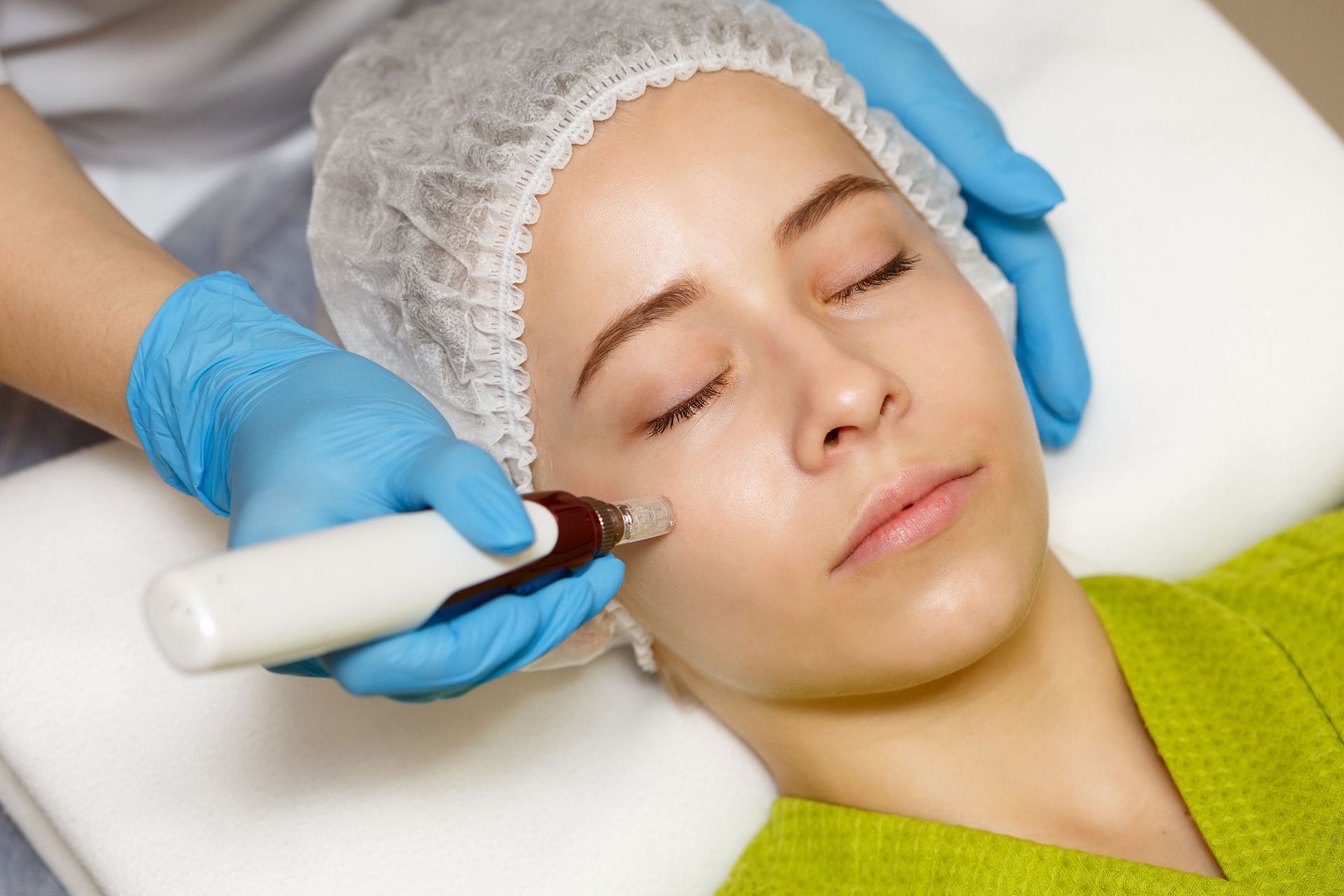
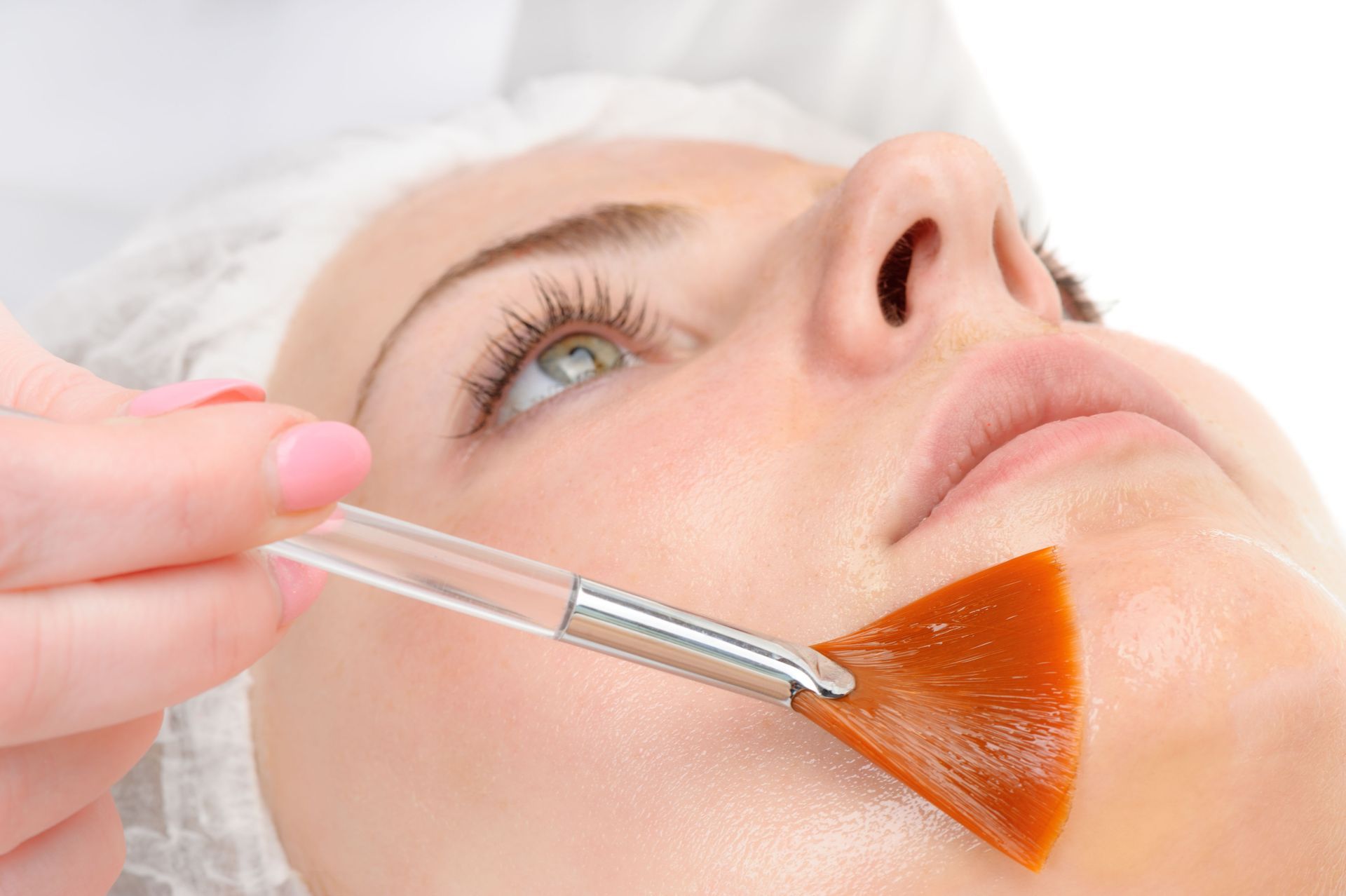
Many patients arrive at a dermatologist's office not only dealing with active breakouts but also with the visible scarring that prior or ongoing acne has left behind on the skin, which requires a separate and specialized clinical approach that addresses residual damage alongside or following the control of active disease. Treatments that address both active breakouts and post-inflammatory hyperpigmentation or scarring may include laser skin resurfacing, SkinPen microneedling, and cosmetic procedures that remodel the skin's surface and stimulate collagen production to improve the appearance of areas damaged by prior lesions. A dermatologist who evaluates the patient's full skin condition — including both active disease and existing scarring — can develop a sequenced treatment plan that addresses each component of the presentation in the clinically appropriate order for the most complete and visually satisfying outcome over time.
Managing the Condition With Ongoing Medical Dermatology Care
Acne is often a recurring or chronic condition rather than a single episode that resolves permanently after one round of treatment, and the ongoing management that keeps breakouts controlled over the long term requires the kind of consistent clinical oversight that only a dedicated medical dermatology practice can provide through regular follow-up appointments and treatment adjustments. A dermatologist who monitors a patient's response to acne treatments over time can make precise adjustments to the regimen as the skin changes, as hormonal factors shift, or as the patient's lifestyle evolves in ways that affect how the condition presents and responds to the current treatment protocol. This continuity of care is one of the most underappreciated aspects of dermatological treatment for acne, because the patients who see the most sustained improvement are almost always those who maintain their relationship with a clinical provider rather than treating the condition episodically when flare-ups occur and abandoning treatment when things improve temporarily.
The combination of accurate diagnosis, access to prescription therapies, advanced clinical interventions, ongoing medical oversight, and professional skincare guidance makes dermatological care the most comprehensive and most effective pathway available to anyone who wants lasting results from their acne treatments. The difference between what a pharmacy shelf can offer and what a board-certified dermatologist provides is the difference between guessing and knowing, between hoping and treating, and between temporary relief and genuinely durable improvement. The Dermatology Clinic, P.A. has proudly served patients throughout Wichita and Derby, KS and the surrounding area since 1932, offering medical dermatology, surgical dermatology, cosmetic dermatology, phototherapy, photodynamic therapy, superficial radiation therapy, lab testing, injectables and fillers, skin care, face and body contouring, laser hair removal, and SkinPen microneedling, all backed by over 90 years of experience, board-certified dermatologists, over 100 years of combined experience, the latest techniques, and the distinction of being the oldest privately owned dermatology practice in Wichita — delivering professional acne treatments and comprehensive skin care to the Wichita community for generations. For more information, contact us today!

Share On: