
The Comprehensive Guide to Evidence-Based Acne Management
Acne is a common yet often misunderstood skin condition that affects millions worldwide. Despite its prevalence, many misconceptions surround acne treatments, making it challenging for individuals to discern fact from fiction. It is crucial to understand what truly works and what doesn't to effectively manage this condition. Misleading remedies can often exacerbate the problem more than they provide relief. Therefore, a well-informed approach, rooted in science, is necessary for effective acne treatment.
Debunking myths not only aids in effective treatment but also in preventing potential long-term skin damage. This article seeks to shed light on persistent myths, correct misinformation, and provide credible, evidence-based acne management strategies. Exploring the biological basis of acne, common myths, treatment options, and lifestyle influences will offer comprehensive insights into effective acne control.
With varying causes and responsiveness to treatments, each person's battle with acne is unique. Tailoring a treatment plan requires understanding both the internal and external factors contributing to acne.
The Biological Basis of Acne
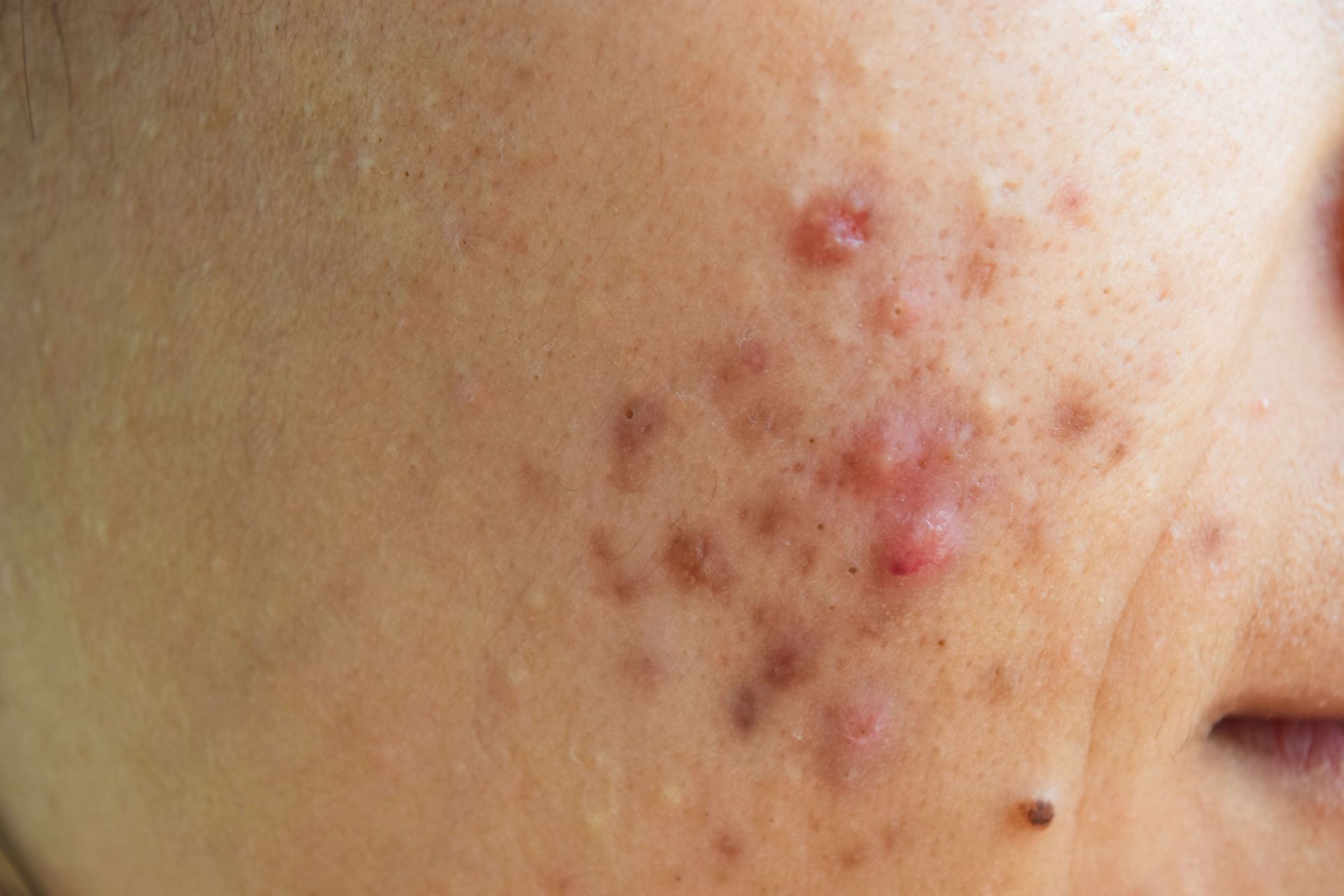
Acne is primarily a result of clogged pores due to oil and dead skin cell buildup. Sebaceous glands under the skin produce sebum, which can be overproduced due to hormonal changes, particularly during puberty. These glands sometimes get obstructed, leading to whiteheads, blackheads, and pimples. Moreover, bacteria like Propionibacterium acnes, thriving in oily environments, can exacerbate the condition. Understanding these biological mechanisms is crucial for addressing the root causes of acne.
Hormonal fluctuations can trigger overproduction of sebum, often seen during teenage years when hormonal levels surge. However, adults too can experience these fluctuations, leading to acne outbreaks. Strategies to mitigate hormonal acne often involve balancing hormones through lifestyle changes and, in some cases, medication. These underlying biological processes necessitate treatments that target skin de-clogging and bacteria reduction. Therefore, evidence-based interventions are essential for effective management.
Effective treatment targets these biological factors at different levels. Topical treatments, such as retinoids, help prevent pore clogging, while benzoyl peroxide reduces bacterial presence. As topical treatments dominate the acne treatment market, accounting for over 63% of formulations, according to Fortune Business Insights, they remain a staple approach. These treatments aim to address the various stages of acne formation through scientifically proven methods. This targeted approach helps in achieving sustainable relief from acne.
Genetic and Environmental Factors
Genetics play a significant role in acne susceptibility. If one's parents had acne, there is a higher likelihood that they might also experience it. However, genes are not the sole determinant; they interact with environmental factors to influence skin health. For instance, pollution and humidity can contribute to pores becoming clogged. Understanding this interplay helps explain why some individuals are more prone to acne than others.
In various geographical and climatic conditions, environmental factors have varied impacts on acne prevalence. Urban pollution, which deposits particulates on the skin, contributes significantly to acne formation. These pollutants can cause inflammation and damage the skin barrier, leading to increased bacterial growth. Therefore, strategies to mitigate acne should include environmental considerations. Regular cleansing routines can help mitigate pollution-related acne exacerbations.
Addressing genetic predispositions may involve more personalized treatments. As acne varies in severity and type across individuals, understanding one's genetic makeup can inform treatment choices. This leads to more targeted approaches, focusing on genetic and environmental interactions. Integrating genetic factors into treatment plans enhances efficacy. It is a testament to the importance of a holistic understanding of acne causation in effective management.
Hormonal Influences and Acne
Hormones are a major driver of acne development, particularly androgens, which can increase sebum production. During puberty, both males and females can see a spike in androgen levels, leading to acne. However, hormonal acne is not restricted to teenagers; many women experience outbreaks related to menstrual cycles. Hormonal imbalances, resulting from conditions like PCOS, can exacerbate acne problems. Therefore, addressing hormonal causes is crucial in comprehensive acne treatment.
Aligning treatment strategies to hormonal cycles can help in managing acne more effectively. Over-the-counter topical treatments may suffice for mild cases, but persistent acne often requires hormonal regulation medications. These might include oral contraceptives or anti-androgens, particularly in severe cases of hormonal acne. It's important to consult healthcare professionals to diagnose specific hormonal imbalances. This medical approach ensures more precise treatment with fewer adverse effects.
Emerging research continually adds to understanding hormonal acne, aiding in developing targeted interventions. Recent advancements focus on treatments that mitigate the effects of hormonal fluctuations on sebaceous glands. These interventions can involve both pharmacological and lifestyle adjustments. By increasingly tailoring treatments to individual hormonal profiles, the potential for effective management of hormonal acne increases. Acknowledging hormonal influence is vital for effective acne control.
Diet and Its Impact on Skin Health
The role of diet in acne development has been a subject of ongoing research and debate. Certain foods are believed to aggravate acne symptoms, though opinions vary. High glycemic index foods and dairy have been traditionally cited as contributors to acne. These foods may lead to increased insulin-like growth factor (IGF-1), which can in turn boost sebum production, worsening acne. Consequently, dietary modifications form a component of many acne treatment plans.
It is essential to examine one's diet contextually, considering a holistic approach rather than blaming single food groups. Several studies highlight the benefits of maintaining a balanced diet, rich in fruits, vegetables, and omega-3 fatty acids. Such a diet can provide anti-inflammatory benefits that may help in acne management. However, diet alone is not a substitute for evidence-based acne treatment. More comprehensive studies are needed to establish solid dietary guidelines specifically for acne sufferers.
Adjusted diets often complement topical and pharmacological interventions to maximize treatment effectiveness. Patients should remain observant of their dietary triggers and discuss potential dietary changes with nutritionists or dermatologists. This strategic integration of diet with traditional acne treatments may improve outcomes for some individuals. Ultimately, the relationship between diet and acne is individualized, warranting personalized dietary assessments as part of acne management strategies.
The Role of Stress in Acne Development
Stress is increasingly recognized as a significant factor in acne development. The body's response to stress includes the release of hormones like cortisol, which can exacerbate acne. Stress can also lead to increased oil production, inflammation, and slower healing of acne lesions. Therefore, managing stress is often a component of a holistic acne treatment plan.
Integrating stress management techniques such as meditation, exercise, and adequate rest can positively influence acne outcomes. Though not a standalone treatment, addressing stress can mitigate one of the several aggravating factors of acne. Combining stress reduction strategies with topical and medical treatments offers a multidimensional approach to acne care. Recognizing the role of stress underscores the psychosomatic nature of this skin condition.
Studies suggest a direct correlation between high stress levels and increased acne severity. By implementing regular stress-relief activities, individuals might observe an improvement in their skin condition. This dual approach caters to both physical and psychological well-being, ensuring a more balanced management of acne. Accordingly, stress reduction remains a crucial, though often overlooked, aspect of treating acne.
Mastering acne management requires looking past quick fixes and embracing science-backed solutions. Because genetics, hormones, diet, environment, and stress uniquely intersect for every individual, there is no universal remedy. Lasting skin clarity depends on combining targeted clinical treatments with mindful lifestyle adjustments tailored specifically to your body's distinct biological needs. For more information on acne treatment, call The Dermatology Clinic, P.A.
Share On: