
Inside the Massive Rise of Adult and Teen Acne
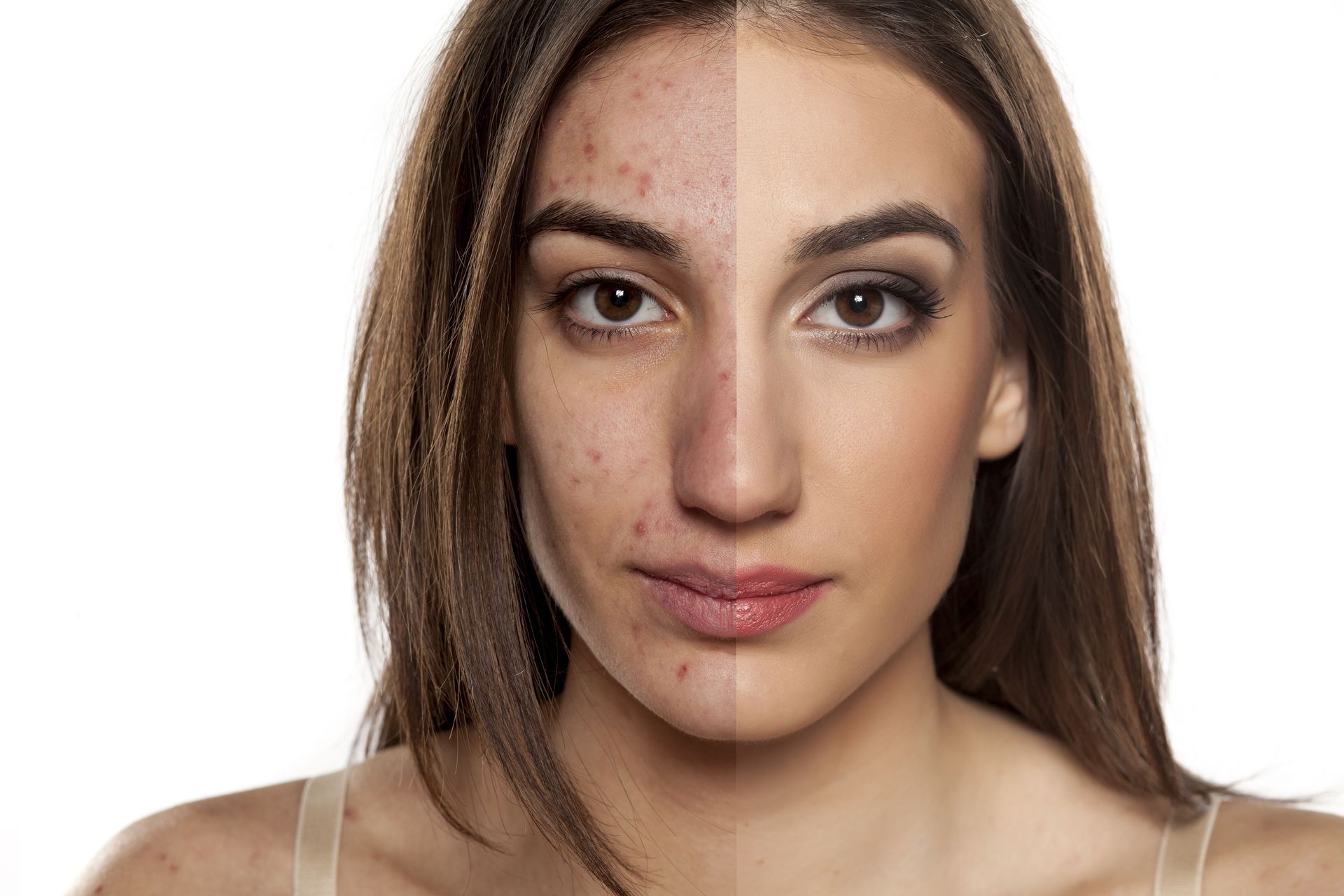
Acne is often considered a rite of passage for teenagers, but its prevalence is rapidly increasing across all age groups. Once limited to the throes of puberty, acne now affects millions of adults, altering perceptions and adjusting skincare needs. Understanding why acne is rising among both adults and teens requires a look into the multitude of influential factors present in today's world.
From societal pressures to biological processes, acne is a complex condition with diverse causes. Not confined to any single demographic, it has become a global issue that demands attention from healthcare professionals and society at large. In this article, we delve deeply into the world of acne, exploring its history, contributing factors, current acne treatments, and its significant psychosocial impact.
The Growing Prevalence of Acne Across Age Groups
According to the American Academy of Dermatology Association, acne impacts as many as 50 million Americans each year, making it the most common skin condition in the United States. Historically, acne was largely seen as a teenage affliction, with its incidence declining as individuals moved into adulthood. However, studies and clinical data over the past few decades reveal a shift; adults, especially women, are increasingly affected. This increase in adult acne cases suggests a transformation in either societal pressures, environmental exposures, or perhaps even diagnostic criteria.
It's crucial to comprehend why historical views on acne need updating. A narrow vision of acne leads to misconceptions, potentially hindering effective treatment and social understanding. As awareness grows, so too does the responsibility to re-educate the public and reshape diagnostic approaches to ensure people receive appropriate care at any age.
Diagnostic criteria for acne have evolved significantly over the years. Initially, acne was simplified as breakouts of various severities, but now it encompasses a broader understanding of skin types, hormonal assessments, and even psychological impacts. Factors such as medical history, geographic location, and daily habits are now elements doctors consider in comprehensive acne diagnosis.
The International Dermal Institute has paved the way for more inclusive diagnostic standards by promoting multi-faceted approaches to assess acne severity and type. Enhanced imaging technologies and molecular biology advancements have revealed intricacies about acne's onset and progression. This expanded knowledge base allows tailored treatment regimens that aim for holistic wellness rather than just skin clarity.
Despite improvements, there remains a gap in diagnosis accessibility, particularly in remote and underserved areas. Effective diagnostics rely on updated methods, a challenge when considering disparities in healthcare. Thus, consistent global education and resource allocation are key to timely and accurate acne diagnosis for everyone, regardless of location or economic standing.
The demographic landscape of acne is shifting visibly, with age groups in their late 20s and early 30s reporting cases at surprising rates. Unlike previous generations who saw a decline in acne with adulthood, current trends show persistence well into the third decade of life. In men, hormonal shifts later in life may contribute to sustained acne issues, while in women, fluctuations due to menstrual cycles, pregnancy, and menopause play a role.
Environmental and occupational exposures have also influenced this shift, with urbanization identified as a critical factor. Urban environments expose skin to pollutants, stress, and lifestyle habits conducive to acne flare-ups. This demographic evolution underscores the importance of considering environmental and lifestyle factors in understanding acne risks.
Interestingly, Western societies report higher incidences in adults compared to non-Western countries, highlighting cultural and lifestyle differences affecting acne prevalence. Such variances point to the importance of environment, diet, and healthcare practices in shaping skin health across demographics. Understanding these shifts requires an interdisciplinary approach combining dermatology, sociology, and public health.
The urban lifestyle directly impacts skin health, notably contributing to acne development. Living in densely populated areas exposes individuals to high levels of air pollution and toxins detrimental to the skin’s integrity. Commuting, late working hours, irregular eating patterns, and stress associated with city living contribute to the exacerbation of acne.
Moreover, urban diets often include high-glycemic foods, exacerbating acne symptoms by triggering insulin spikes and hormonal imbalances. The availability of fast food and processed snacks catering to busy lifestyles inadvertently affects acne-prone skin. Consequently, altering dietary patterns towards whole, nutrient-dense foods can foster better skin health and reduce acne prevalence across urban centers.
Factors Contributing to Adult and Teen Acne
Hormones are a significant driver behind acne outbreaks, influencing sebum production and skin cell turnover. During adolescence, hormonal surges are normal, often leading to increased acne incidence among teens. However, hormones continue to fluctuate in adulthood due to stress, lifestyle changes, and physiological cycles, perpetuating or even worsening skin conditions.
In adults, issues such as polycystic ovary syndrome (PCOS) have a pronounced effect, causing persistent acne due to hormonal imbalances. These hormonal disorders, often accompanied by insulin resistance, underscore the importance of endocrinological evaluation in treating adult acne. Addressing underlying hormonal disturbances can lead to substantial improvements in skin health.
Acne treatments must account for these hormonal effects to effectively manage acne. By utilizing anti-androgen therapies or hormonal birth control, dermatologists can mitigate these triggers. Thus, hormonally oriented therapies are essential in both preventing and managing complex acne types, especially in females with cyclical hormonal changes.
Diet and nutrition hold a substantial role in acne development, often overlooked in traditional dermatological approaches. High-glycemic diets rich in sugar and refined carbohydrates can exacerbate acne by influencing insulin and hormone levels. Dairy products have also been implicated in triggering acne due to the presence of certain growth hormones and bioactive molecules.
Conversely, integrating anti-inflammatory foods such as omega-3 fatty acids, antioxidants, and zinc can positively affect skin health. Fresh vegetables, whole grains, and lean proteins help stabilize blood sugar levels and support skin's structural integrity. More research is needed to explore the connections between dietary patterns and acne, but initial findings are promising.
Individual dietary adjustments, guided by nutritionists in collaboration with dermatologists, can substantially impact acne control. Tailored meal plans focusing on balanced, nutrient-rich diets offer an ancillary method to manage acne, complementing traditional medical treatments. Educating the public on these connections can empower healthier food choices and foster clearer skin.
Stress is a recognized factor exacerbating acne through hormonal pathways that increase sebum production and inflammation. Psychological stress triggers the secretion of cortisol, which in turn can drive acne lesions to form or worsen. It perpetuates a cycle where acne can lead to emotional distress, further ramping up stress hormones and aggravating skin conditions.
Teens and adults alike face numerous stressors—from academic pressures to work-related stress—that can manifest as skin flare-ups. Effective stress management through techniques like meditation, yoga, and therapy is proven to have beneficial effects on overall wellness, including skin health. As such, stress reduction should be an integral aspect of comprehensive acne management programs.
Creating awareness about the stress-skin connection can alleviate the psychological burden of acne. Encouraging open conversations about mental health and advocating for supportive environments further destigmatizes acne, improving treatment outcomes. Additionally, incorporating behavioral health professionals in dermatological care settings could enhance management strategies against stress-induced acne.
Acne is no longer a condition that affects only teenagers, making it more important than ever to understand the many factors that contribute to breakouts across different stages of life. From hormonal changes and diet to stress and environmental influences, recognizing these causes can help individuals make informed decisions about prevention and acne treatments. With the right combination of professional care, healthy habits, and personalized skincare, people of all ages can better manage acne and support healthier, more confident skin. For more information about professional
acne treatments that can help, contact The Dermatology Clinic, P.A. today.

Share On: