
How SkinPen Microneedling Helps Reduce the Appearance of Acne Scars
Acne is an exceptionally common skin condition that often leaves behind persistent visual reminders long after active breakouts have cleared. According to the American Academy of Dermatology Association, acne impacts as many as 50 million Americans each year, standing as the nation's most common skin condition. For many individuals, lingering textural unevenness and deep pitting caused by facial acne can impact personal confidence and overall skin texture. Fortunately, advancements in aesthetic dermatology have introduced highly effective, minimally invasive treatments designed to repair damaged tissue. SkinPen microneedling has emerged as a premier option for smoothing scar tissue, revitalizing skin texture, and restoring a clearer complexion. Understanding how this medical-grade technology works helps patients make informed choices for their skin health. Taking proactive steps toward targeted skin restoration can dramatically enhance long-term dermal vitality. Investing early in corrective skincare routines helps preserve structural integrity before deep tissue damage becomes permanent.
Understanding the Causes of Facial Acne Scarring
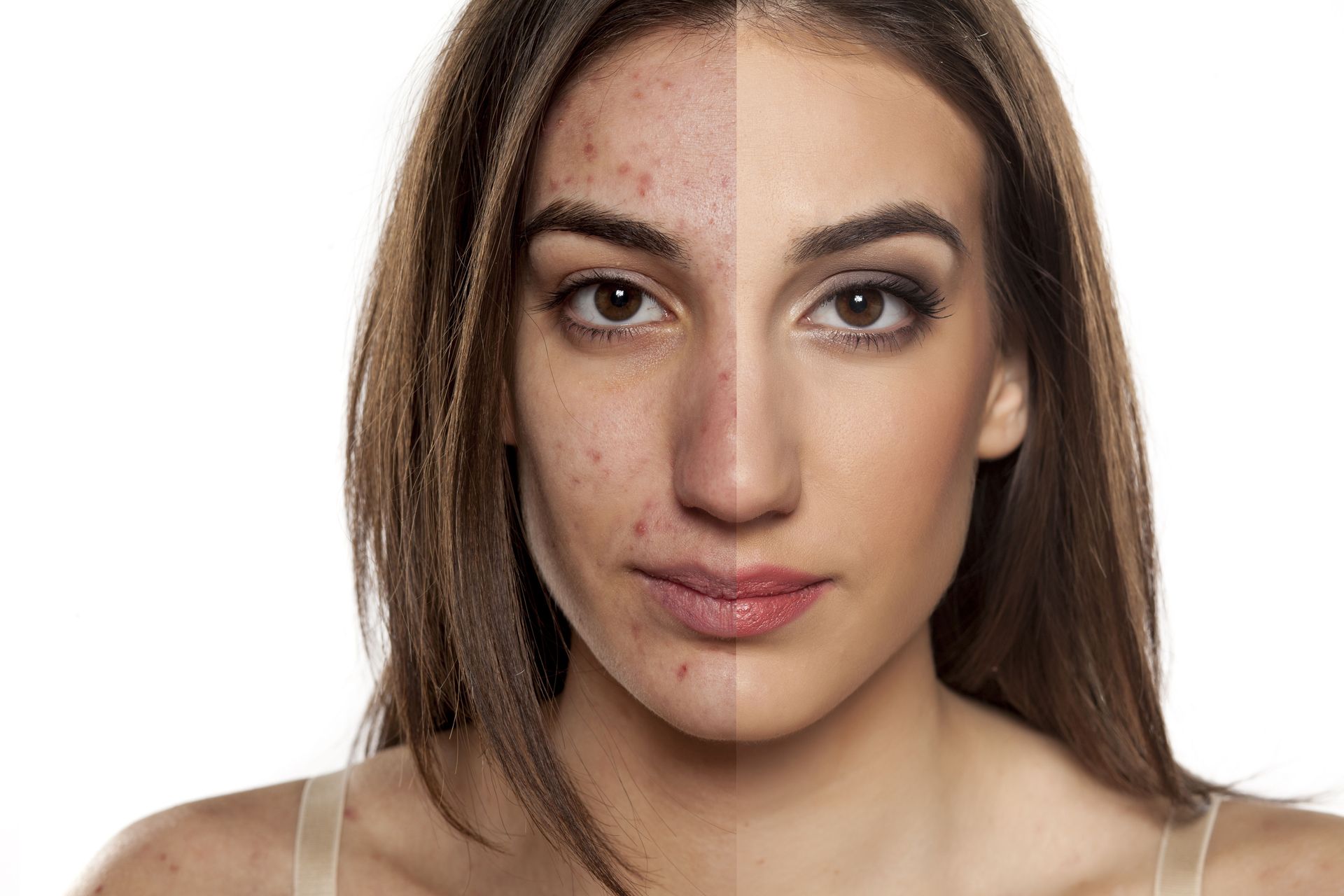
Scarring typically develops when severe or persistent inflammation damages the underlying structural support of the skin. During active breakouts of facial acne, the body attempts to heal the localized tissue disruption by producing collagen fibers. However, if the inflammatory response is too intense or prolonged, the body may produce either too little or too much replacement tissue. Inadequate collagen synthesis results in atrophic or indented scars, such as icepick, boxcar, or rolling patterns, which create noticeable dips across the skin surface. Conversely, excessive collagen deposition leads to raised hypertrophic scars that interrupt smooth skin contours. Addressing textural changes from facial acne requires treatments that penetrate deep enough to stimulate natural cellular repair mechanisms. Gaining insight into your specific scar type helps dictate the most effective depth for clinical treatment. Identifying whether your scarring is primarily vascular or structural allows clinicians to customize treatment protocols for optimal results.
Exploring the Science Behind SkinPen Technology
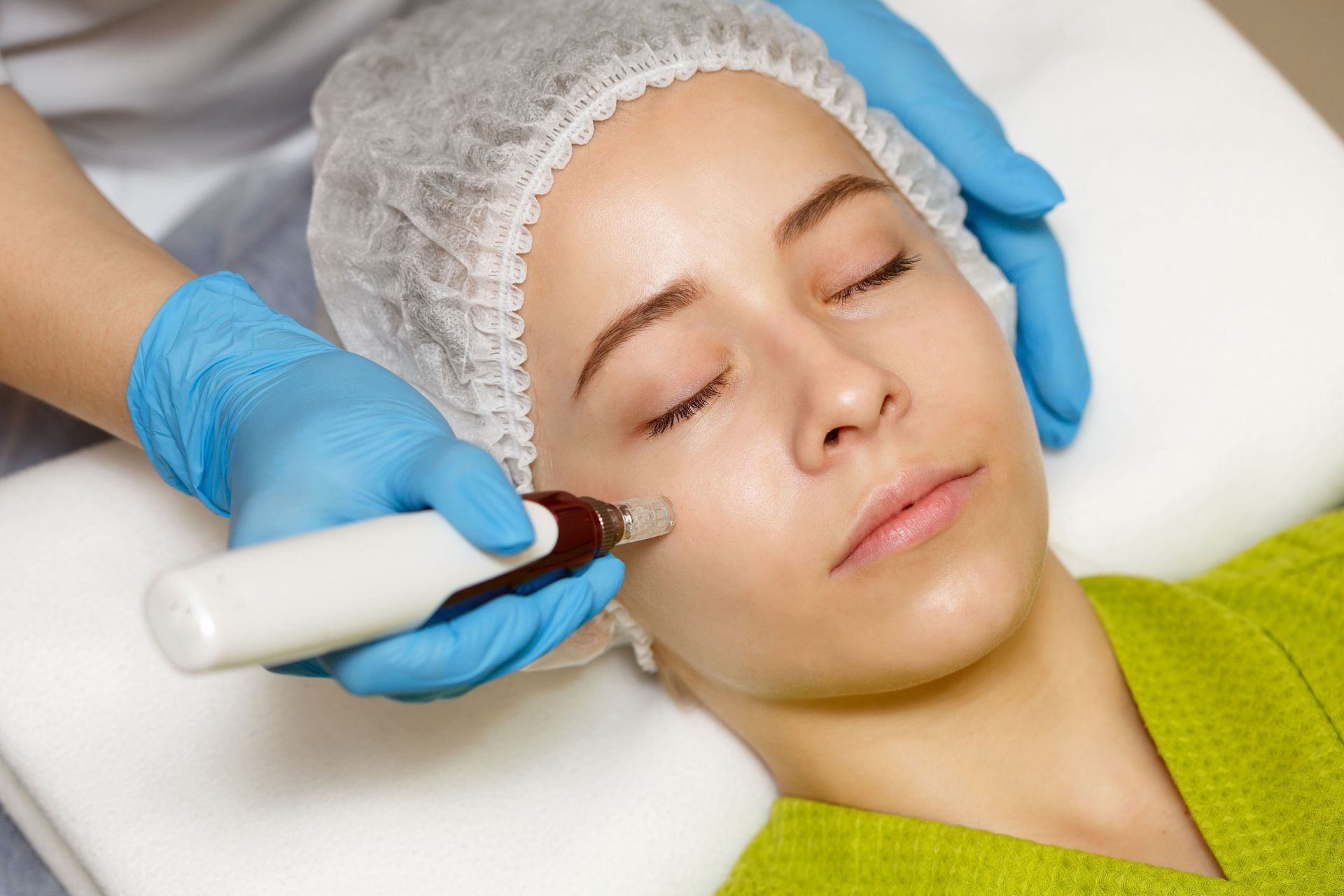
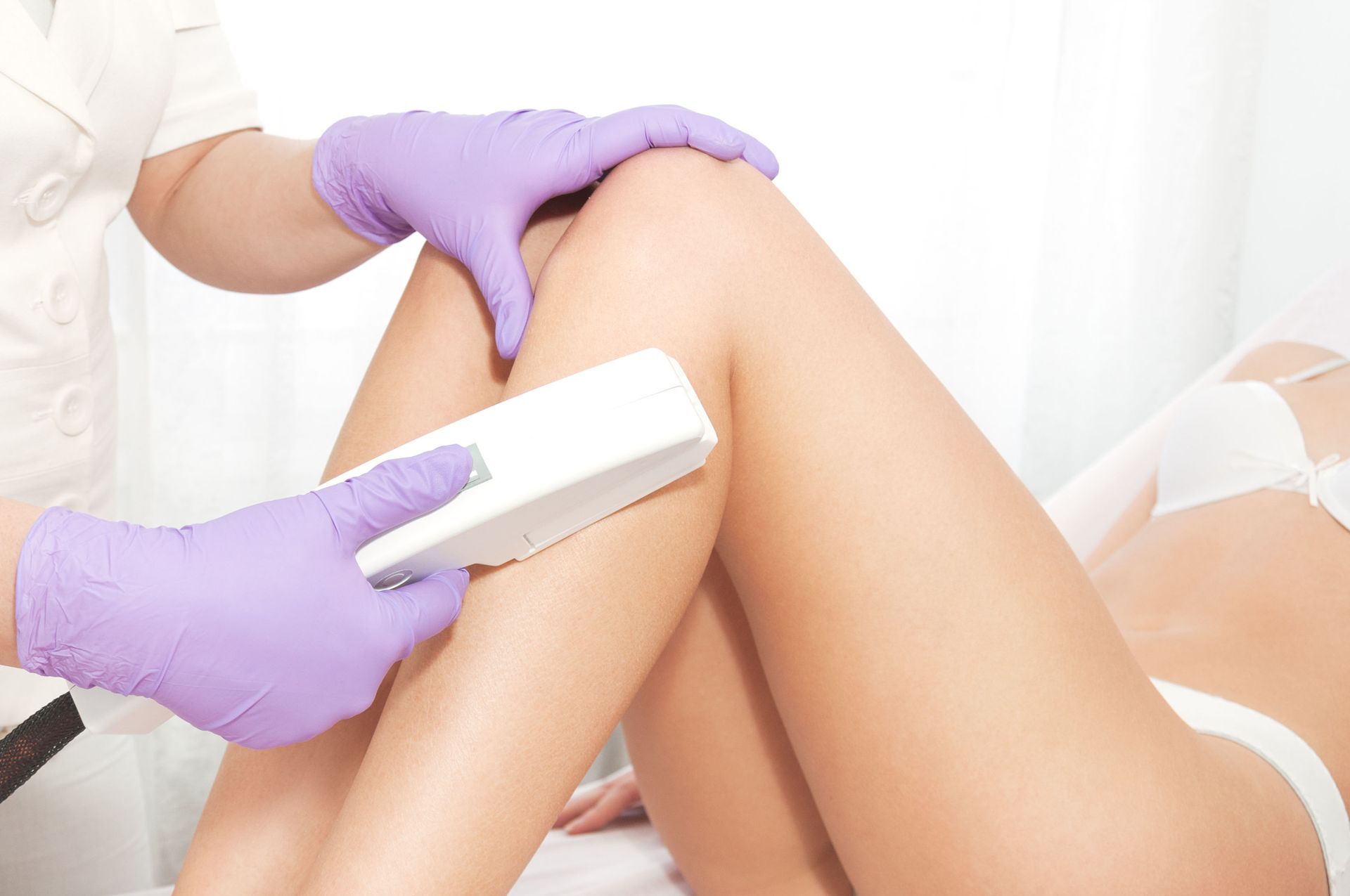
SkinPen is an FDA-cleared, medical-grade microneedling device designed to create thousands of controlled, microscopic micro-injuries in the outer layers of the skin. Unlike manual derma rollers, which can drag across the epidermis and cause tears, SkinPen utilizes a localized vertical stamping motion. This precise mechanics allows practitioners to target damaged areas affected by facial acne with extreme accuracy and minimal surface trauma. The deliberate creation of tiny micro-channels triggers the body’s natural wound-healing cascade without burning or removing the outer skin layers. By initiating this controlled mechanical response, the treatment prompts the skin to shed damaged cells and rebuild healthier, more resilient dermal tissue. Utilizing sterile, single-use needle cartridges ensures maximum safety and hygiene during every clinical session. This high degree of precision prevents unnecessary damage to healthy surrounding tissue.
Initiating the Natural Wound Healing Process
The transformative benefits of SkinPen rely on a three-phase physiological repair process that begins immediately after treatment. During the first phase, known as the inflammation phase, microscopic channels initiate immune responses that cleanse the tissue, clear debris, and stimulate localized blood flow. Over the following weeks, the proliferation phase begins, marked by the rapid production of new granulation tissue, vascular networks, and collagen. The final phase, maturation or remodeling, involves the restructuring of newly formed collagen fibers into a tighter, smoother matrix. For individuals dealing with textural damage from facial acne, this natural remodeling process gradually fills in indented scars from beneath the surface, resulting in a noticeably smoother visual appearance.
Stimulating Collagen and Elastin Production
Collagen and elastin are the fundamental structural proteins responsible for skin firmness, elasticity, and overall smoothness. Depleted or disorganized collagen networks lie at the root of most depressed scars left behind by facial acne. SkinPen microneedling specifically targets the deep dermal layers where fibroblast activity takes place, signaling these specialized cells to synthesize fresh collagen types. As newly generated collagen fills the micro-channels created during treatment, it lifts depressed scar tissue and creates a more uniform skin surface. Over a series of sessions, this continuous collagen induction therapy progressively diminishes the depth and visibility of persistent facial acne marks, giving the skin a renewed, plumped quality. This ongoing cellular synthesis continues to refine the skin's surface matrix for several months after treatment. Enhanced elastin synthesis further improves the resilient bounce and supple feel of treated areas.
Comparing SkinPen to Alternative Scar Treatments
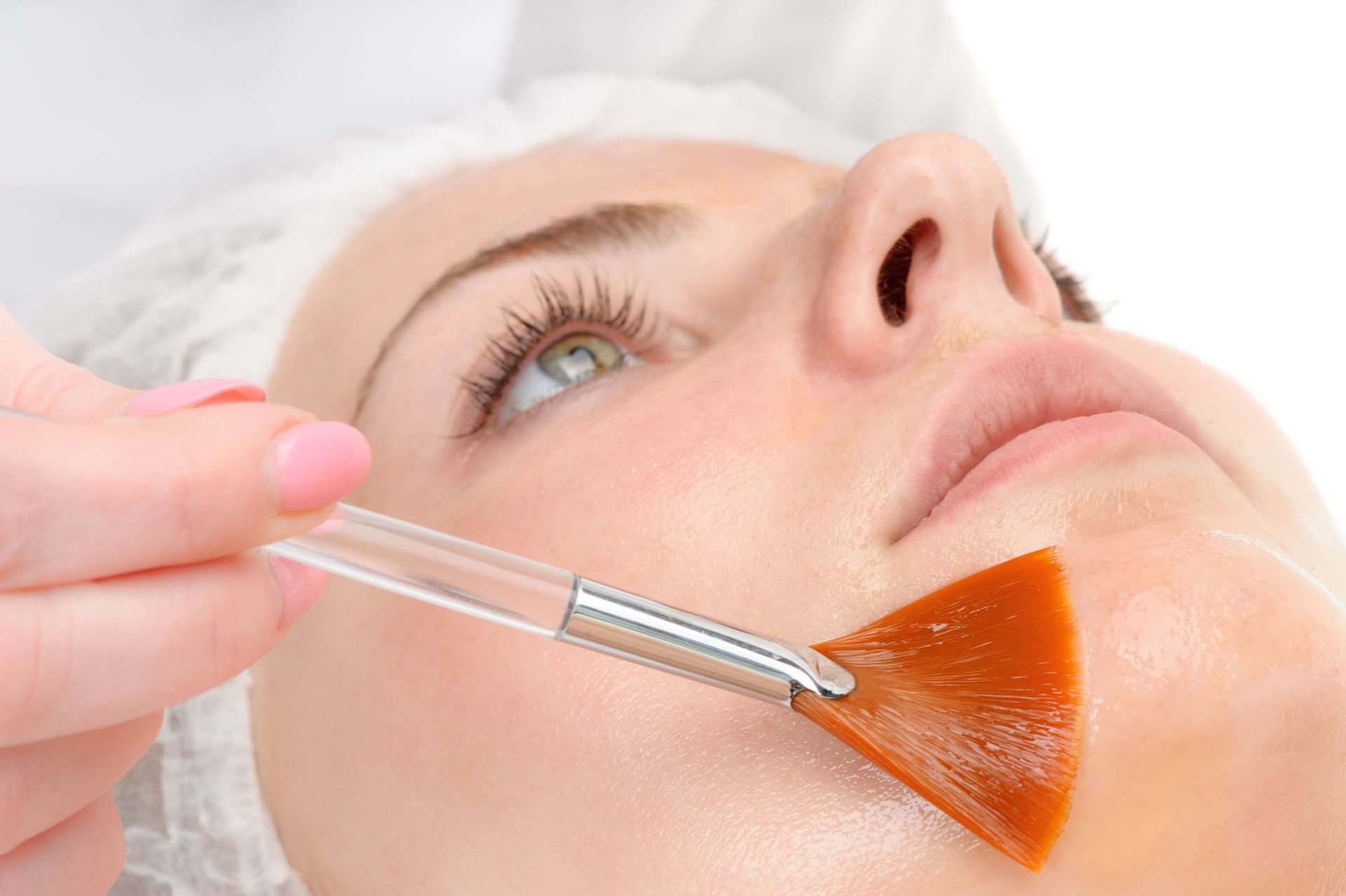
Patients seeking relief from persistent skin changes caused by facial acne often evaluate multiple clinical options, including chemical peels, laser resurfacing, and manual microdermabrasion. While deep chemical peels and ablative lasers can yield significant results, they frequently involve extended recovery times, higher risks of hyperpigmentation, and greater surface discomfort. SkinPen offers a compelling balance of high efficacy and minimal downtime by leaving the protective outer epidermis largely intact. Because it relies on mechanical stimulation rather than thermal energy or aggressive chemicals, SkinPen carries a lower risk of post-inflammatory hyperpigmentation. This key safety feature makes microneedling an suitable choice for diverse skin tones and sensitive skin types facing post-breakout scarring. Patients often appreciate returning to their daily schedules almost immediately following their appointment.
Evaluating Suitability Across Diverse Skin Tones
A major advantage of mechanical microneedling over energy-based aesthetic procedures is its exceptional safety profile across all Fitzpatrick skin types. Many laser systems and heat-based devices carry a heightened risk of post-inflammatory hyperpigmentation or hypopigmentation when applied to darker complexions, as thermal energy can unintentionally disrupt melanin production. SkinPen circumvents this issue entirely by relying strictly on mechanical micro-puncture rather than heat or light absorption. Consequently, individuals with deeper skin tones who suffer from textural damage due to facial acne can safely undergo comprehensive resurfacing without fear of pigmentary alteration. This universal suitability makes precision microneedling an accessible, inclusive treatment choice for a broad spectrum of patients seeking complexion restoration.
Outlining the Typical Treatment Experience
A standard SkinPen treatment session is straightforward, controlled, and tailored to the patient’s individual aesthetic goals. Prior to the procedure, a topical numbing agent is applied to the targeted area to ensure maximum comfort throughout the process. Once the skin is fully prepared, the practitioner glides the device across the treatment area, adjusting needle depth based on the severity and depth of the scars. Following the procedure, mild redness and light swelling similar to a mild sunburn are common, though these temporary effects typically resolve within twenty-four to forty-eight hours. Most clinical protocols recommend a series of three to six sessions spaced several weeks apart to achieve optimal reduction in marks left by facial acne. Spacing sessions appropriately grants the skin sufficient time to rebuild its structural foundation naturally.
Maintaining Results and Post-Treatment Care
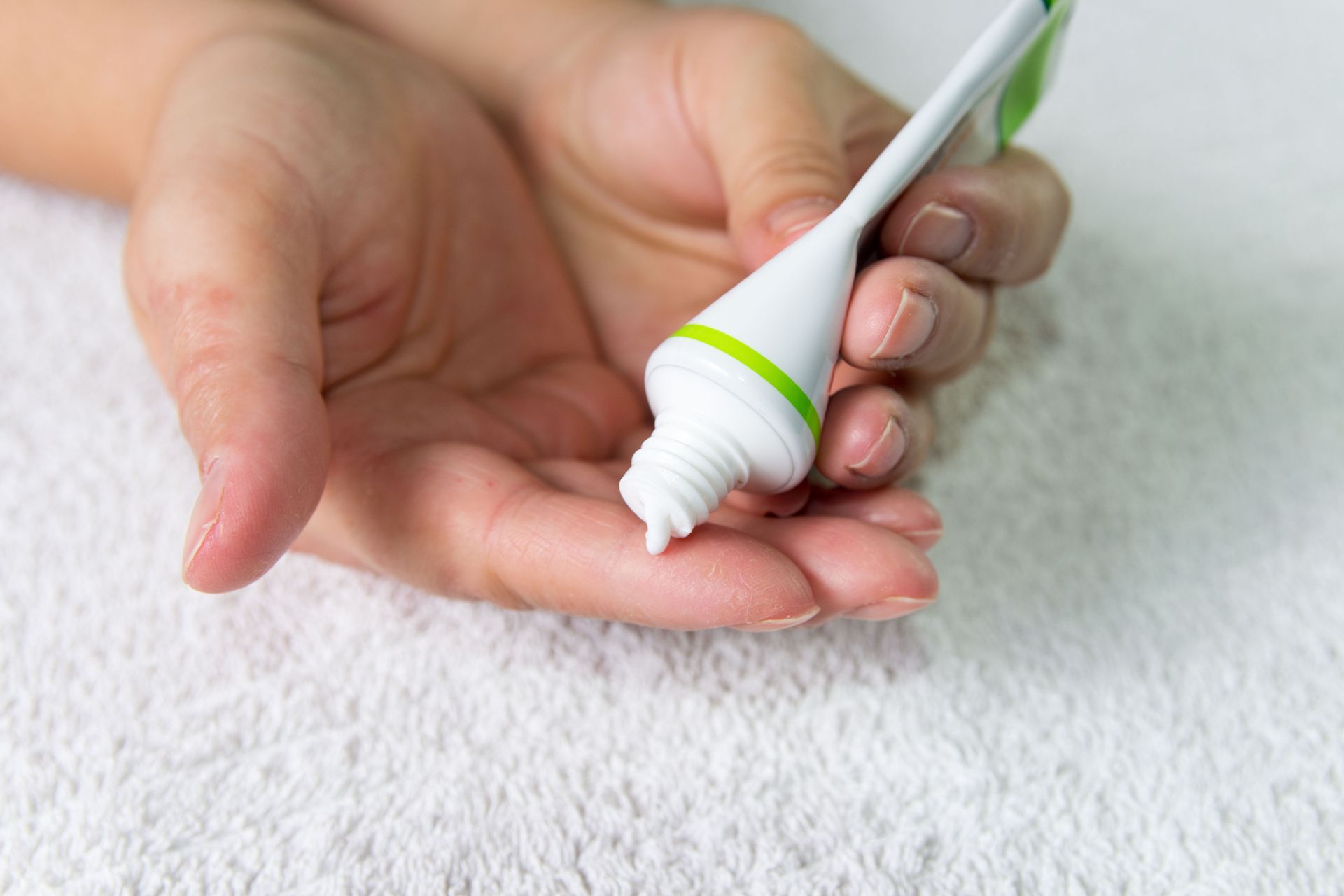
Maximizing the long-term benefits of SkinPen microneedling requires diligent post-procedure care and proper home maintenance. Immediately following a session, patients should avoid direct sun exposure, strenuous exercise, and harsh active skincare ingredients like retinoids or exfoliants. Applying gentle, hydrating serums and broad-spectrum sunscreen protects the newly forming tissue and supports healthy cellular regeneration. As the skin undergoes continuous collagen remodeling over the subsequent months, patients will notice progressive improvements in tone and smoothness. Maintaining a clean, nourishing skincare routine helps protect the dermal investment and prevents future breakouts from causing new structural changes. Consistent sun protection plays a critical role in preserving these structural improvements over time.
SkinPen microneedling represents a proven, advanced solution for individuals seeking to minimize the visual impact of scars resulting from past breakouts. By leveraging the body's natural healing abilities, this medical-grade technology effectively stimulates collagen production, remodels damaged tissue, and restores smoother skin texture. Choosing a safe, controlled approach to dermal renewal helps patients regain smooth contours and vibrant skin health without extensive downtime.




Share On: